
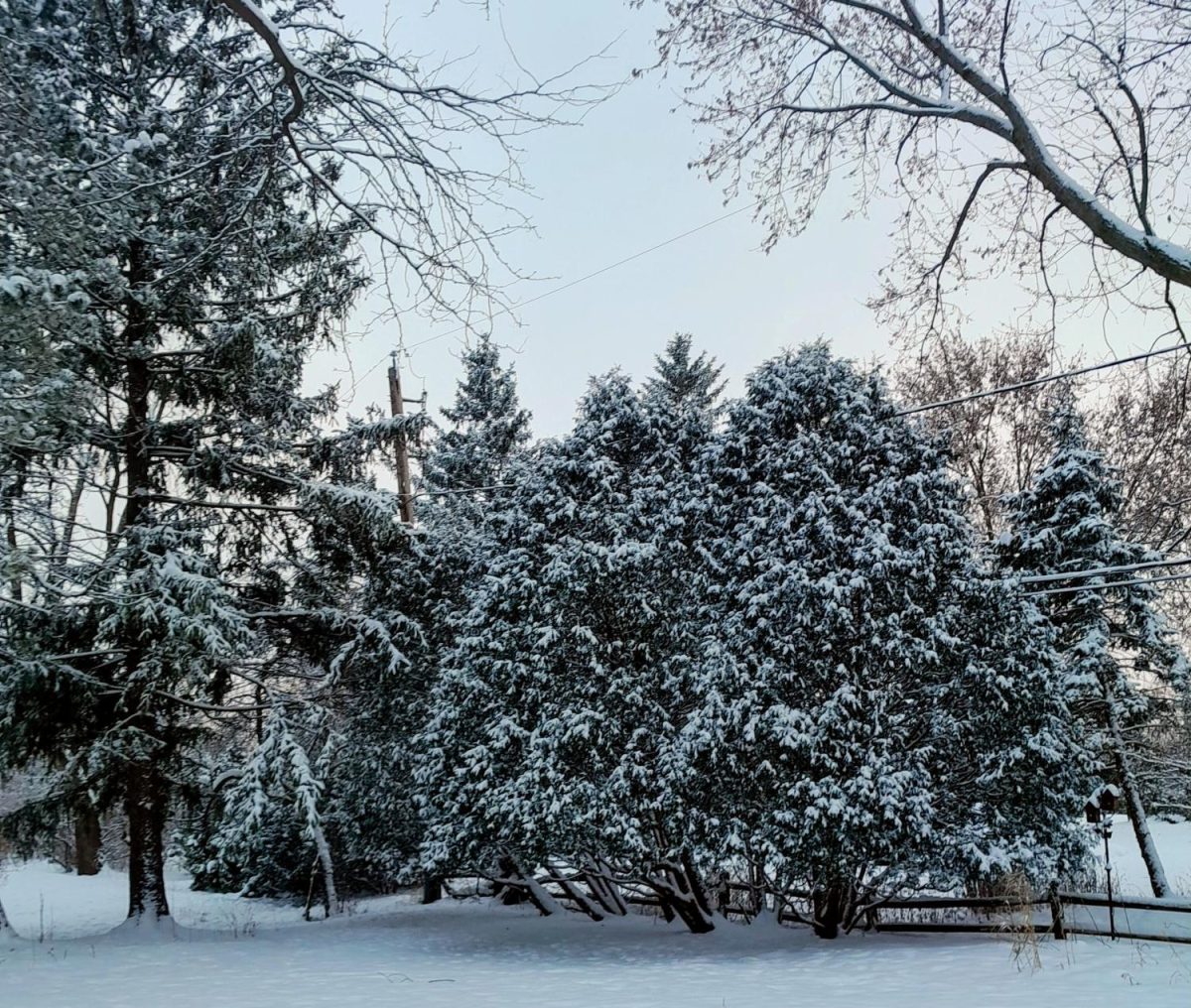
Winter is either the most anticipated or most hated season in Wisconsin. Winter lovers break out their skis, snowshoes, and snowboards and prepare for ice fishing season. Contrastingly, winter haters grumble about the cold and complain about shoveling the driveway. Although the heavy snowfall this year may make you think otherwise, Wisconsin winters have been experiencing large changes in temperature and precipitation averages due to climate change.
Over the years, greenhouse gases like methane and carbon dioxide have been slowly increasing the average temperature all across the world. This happens because these gases trap the heat from the sun within the atmosphere, causing a higher average temperature and changing the weather patterns. While this change in temperature has impacted other Wisconsin seasons, the changes in winter weather patterns have been most drastic.
This temperature change has been noted by scientists, as documented in the 2022 Climate Matters Winter Package. This study, which presents data gathered by 238 weather stations throughout the United States, found that one of the most noticeable changes in Wisconsin’s winter climate is the increase in temperature variation. Holidays accompanied by a glittering layer of snow are becoming increasingly rare, but the amount of snow that falls isn’t changing as much. Instead, heavy snowstorms and negative temperatures and days reaching the mid-40s are happening in the same week.
This inconsistency impacts farming because valuable fruit crops like apples, peaches, blueberries, and cherries require a certain amount of cold weather to rest and prepare to produce good fruit in the coming year. [1] Furthermore, a lack of intense freezing also leads to an increase in the number of pests, such as mosquitoes and ticks, that survive winter.
Furthermore, a lack of season-long snow harms the tourism and recreation industries. To safely go onto frozen lakes for ice fishing and skating, experts recommend a 5-8 inch layer of solid ice, with thicker ice preferred. Ski seasons are shortening, and the frequent melting and refreezing of snow can create dangerously icy patches on the hill [2]. All of this is harmful to the state economy, which depends on these recreational activities to generate income, particularly in rural areas.
To learn more about what you can do to stop climate change, join the BC Environmental Club or contact [email protected].